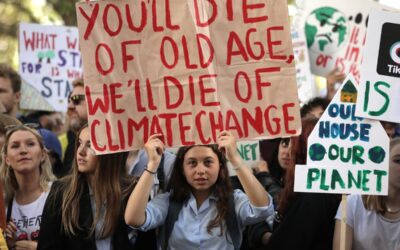
The web-comic Shooting Wars, hit people’s screens in May 2006. It followed a young journalist named Jimmy Burns, who found himself video-blogging across the front lines of Iraq in the year 2011. At the time of its release, only a handful of people were ready to believe US forces would be in the country for much longer. In 2006 sectarian violence was spilling across streets and districts in Iraqi cities. Infighting, both between Iraqis and the coalition forces occurred with depressing regularity. Most notably, a British Brigadier attacked America’s ‘Hollywood’ generals in April, while later in the year, the Iraq Study Group “strongly urged” a large pull back of American troops in Iraq in a private note leaked to the media. The Independent’s Middle East journalist Patrick Cockburn summed up the hopelessness of the conflict at the end of 2006:
The sense of Iraqi identity may have been damaged beyond repair. But, more than most states, Iraq is dominated by its capital and Shia and Sunni will continue to fight to rule Baghdad until they either win or know there is no hope of victory.
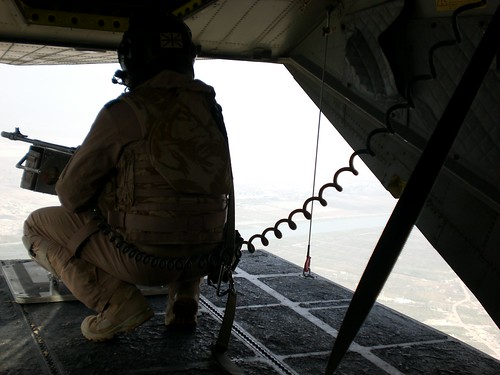
View of Basra from a Merlin Helicopter
What a difference two years makes.
The change in Iraq, especially in terms of security has been impressive. Elements of the insurgency still continue to fight in and around Baghdad (in the last day or so a suicide car bomb killed 15 people, including 7 policemen, and wounded 20 in a town north of Baghdad), but there is no denying that in the last six months there has been a real sense of progress.
During that same period the US and UK Governments have separately been negotiating with the Government of Iraq (GOI) on a Status of Forces Agreement (SOFA) regarding the stationing of military forces in Iraq. Getting an agreement was seen as crucial as the United Nations’ mandate authorising the presence of foreign troops in Iraq is due to expire at the end of year. Some US and UK officials have been worried in the last few months that negotiations with the GOI were getting seriously bogged down and an alternative would have to be found – either rolling the UN security mandate into the New Year or returning to CPA Article 17.
Then today (Sunday), after a one and a half hour meeting, the Iraqi Cabinet passed the pact. It still has to be ratified by the Iraqi Parliament but US officials will no doubt heave a sigh of relief.Such relief will no doubt be shared by the British in Basra who have been negotiating their own agreement with the Iraqis. I wonder if we won’t see an Iraqi-British pact in the next two weeks or so.